Home
Company
Company Profile
Company Culture
Enterprise Qualification
Cooperative Customers
Products
Rotomolding Equipment
Rotomolding Mould
Rotomolding Product
Blog
Corporate News
Industry News
FAQ
Contact
Contact information
Join us
中
rotomould@czyingchuang.com
2021-07-20
Rotational molding of luminous furniture has the following characteristics.
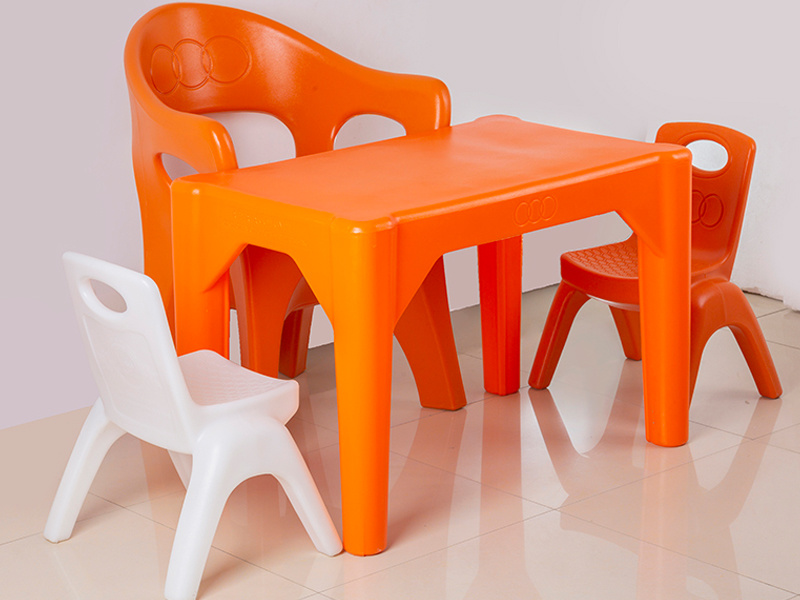
Rotationally molded luminous furniture is heat-resistant, has good light transmission, strong toughness, is relatively light, easy to clean, has lighting, and generally has a hollow shape. The comfort level is average, and the service life is 8 to 10 years. It is produced by machines, making quality easy to control. Due to its large size, transportation costs are high, and it is not easy to damage during transport. The cost is high, and the mold costs are also high. It can be made in any color.
Read more
Factors Affecting the Foaming Process in Rotational Molding Products
Rotational molding products are formed step by step by rotating the particles imported into the rotational molding mold into rotational molding products. So what factors and processes affect the quality of the products in this process?
2025-04-26
Changzhou Yingchuang Equipment Expands Global Reach with Shuttle Rotomolding Machine Shipment to Vietnam
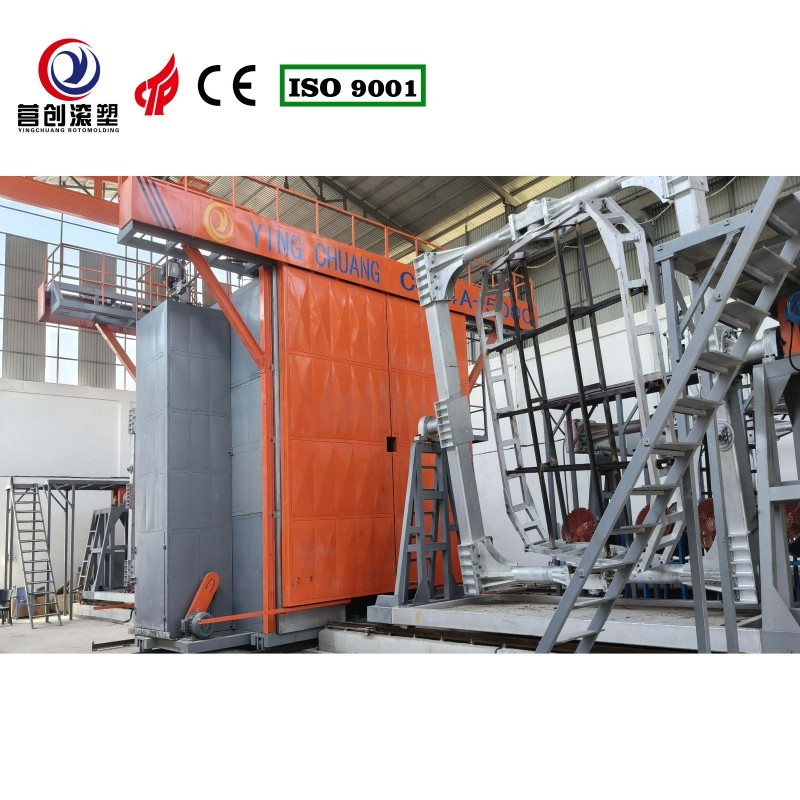
April 26, 2025, marks a pivotal moment for Changzhou Yingchuang Equipment Co., Ltd. as it prepares to ship the advanced CS-2A-2000 Shuttle Rotomolding Machine to Vietnam.
2025-04-19
Press Release: Successful Participation of Changzhou Yingchuang Rotomolding Equipment Co., Ltd. at CHINAPLAS 2025
We are pleased to share the great success of Changzhou Yingchuang Rotomolding Equipment Co., Ltd. at CHINAPLAS 2025, held from April 15–18 at the Shenzhen World Exhibition&Convention Center.
2025-04-18
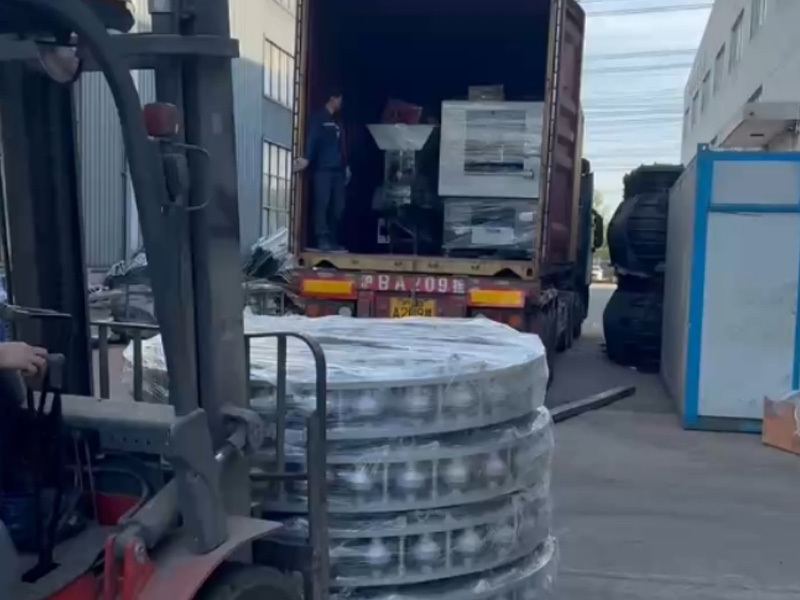
Recent Shipment Update: Yingchuang Rotomolding Equipment and Products Successfully Shipped Worldwide
These shipments demonstrate the versatility of Yingchuang’s product line and our capability to meet diverse customer needs across different industries and regions.
2025-03-20
Join Changzhou Yingchuang Rotomolding Equipment Co., Ltd. at CHINAPLAS 2025!
We cordially invite all our valued partners, customers, and industry professionals to visit our booth and explore our latest innovations in rotational molding technology.
2021-08-17
The reliability of rotational molding machine products is key.
Everyone knows that the quality of products is related to the survival of a company. A company can only gain customer recognition by strictly controlling product quality. However, some rotational molding machine manufacturers are eager for quick success during the development process, neglecting quality control of rotational molding machines. In the name of cost management, they produce extremely low-quality products with the intention of "low investment and high return." Undoubtedly, such behavior will always be "lifting a stone to drop it on one's own foot." It is important to understand that the level of competitiveness largely depends on product quality. Products without quality as their backbone are merely superficial.
Introduction to the firing of rotational molding machine products
1. Adjusting the speed ratio: Effectively utilizing gravitational and centripetal forces, it is known that in fitness exercises, the static powder always tends to settle at the bottom, and the speed ratio is at the midpoint when it is 8-9 revolutions per minute. Exceeding the midpoint results in thicker sides and a thinner middle, and conversely, thinner sides and a thicker middle. In general product manufacturing, the large frame of the rotational molding machine operates at 8.5 revolutions, while the small frame needs to increase the speed ratio, as the transmission ratio for each product is different. (This requires everyone to accumulate experience in their work.)
The development trend of rotational molding equipment
In addition to the trend towards automation in manufacturing technology, the rotational molding process also has new developments in aspects such as mold and heating methods, such as in-mold pressure technology (i.e., pressurizing the structure by injecting air during a certain period of the heating and cooling stages); in-mold cooling technology (reducing heating and cooling time, shortening the processing cycle); and improvements in technologies like infrared microwave heating, enhancing the efficiency and quality of the molding process.